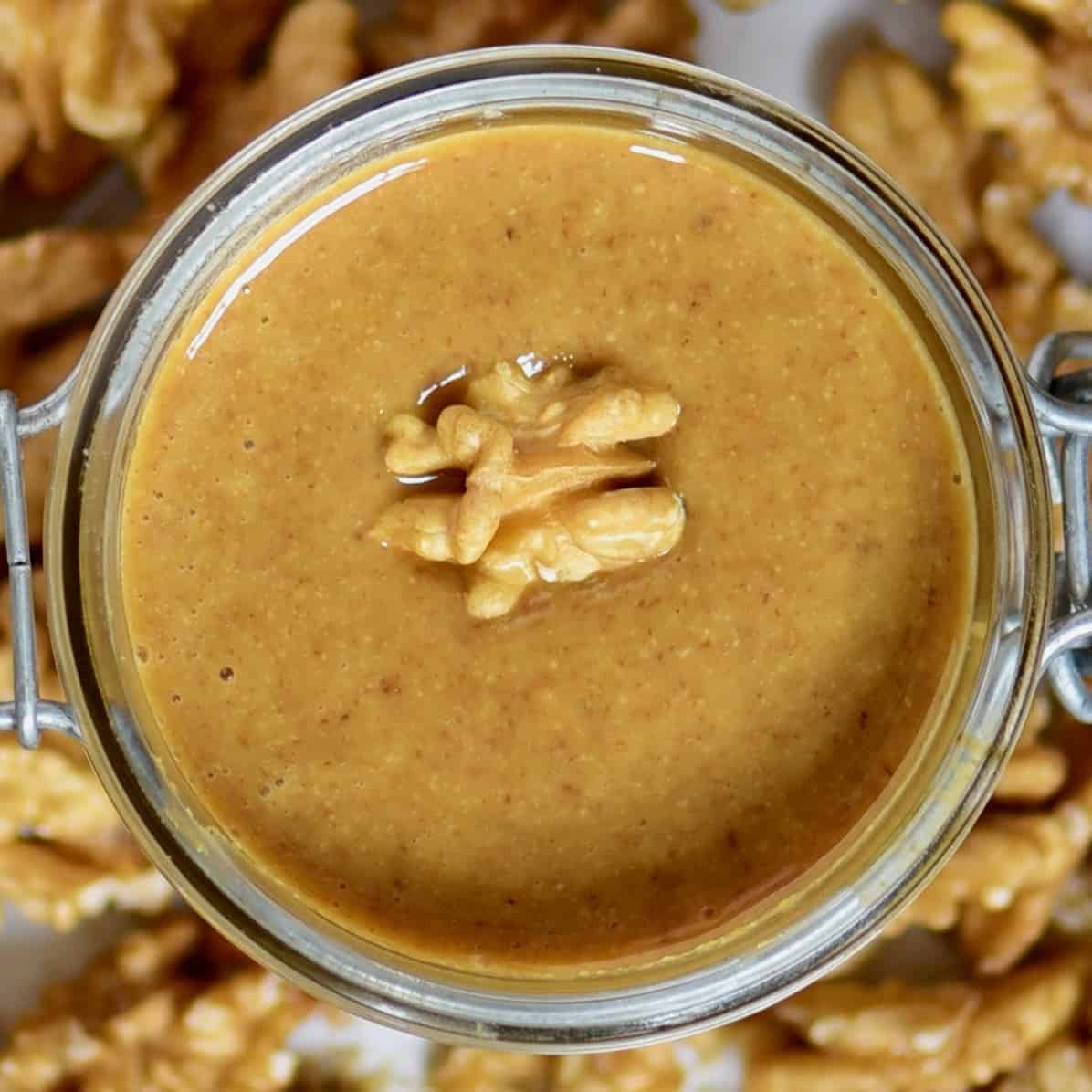
Why Homemade Walnut Butter Outshines Almond & Peanut Butter
In a market saturated with popular spreads like almond butter and peanut butter, it’s easy to overlook the hidden gem that is walnut butter. Yet, for those in the know, a jar of simple homemade walnut butter isn't just an alternative; it's a superior choice, offering unparalleled creaminess, a distinctive flavor profile, and a powerhouse of nutrition that often leaves its more famous counterparts in the shade. Moving beyond the store-bought options, crafting your own allows for a pure, additive-free experience that elevates the humble nut spread to a gourmet delight. While commercial varieties of walnut butter do exist, they are often surprisingly expensive and less common. This makes the DIY approach even more appealing, putting control over ingredients and freshness squarely in your hands. Imagine a silky-smooth, naturally sweet, and slightly earthy spread, free from added oils, refined sugars, or preservatives – that’s the magic of creating your own.The Undeniable Appeal of Homemade Walnut Butter
The moment you taste a truly simple homemade walnut butter, you'll understand why it's a standout. Its texture alone sets it apart. While almond and peanut butter can often be thick, dense, and sometimes a little chalky, walnut butter boasts an extraordinary smoothness. It’s distinctly runnier, more buttery, and silkier, gliding effortlessly across toast or blending seamlessly into smoothies. This unique consistency is owed to the natural oil content of walnuts, which, when processed correctly, yields a divinely spreadable butter without the need for external oils. Beyond texture, the flavor of walnuts offers a sophisticated departure from the familiar. Walnuts possess a rich, earthy, and slightly robust taste, sometimes with a subtle bitterness that adds complexity rather than detracting. When transformed into butter, this profile becomes incredibly nuanced, making it a "special occasion" nut butter that feels luxurious and indulgent. This distinctiveness makes it incredibly versatile, lending itself to both sweet and savory applications with equal grace. Moreover, the DIY aspect is a huge draw. By making your own, you gain complete control over what goes into your jar. This means an inherently oil-free, refined-sugar-free, gluten-free, Paleo, and Whole30-friendly product. You decide if you want to use raw, soaked, or roasted walnuts, and whether to add a pinch of salt to enhance its natural flavor and mellow any bitterness. The satisfaction of creating such a high-quality, healthy staple from scratch is incredibly rewarding and often more cost-effective than buying specialized health food store brands.Walnut Butter's Nutritional Powerhouse: Why It's "Nature's Healthiest Nut"
When it comes to nutritional benefits, walnuts truly shine, earning them the moniker "the healthiest nut." This is where homemade walnut butter truly distinguishes itself from almond and peanut butter, offering a superior nutritional profile that contributes significantly to overall well-being. * Omega-3 Fatty Acids: Walnuts are unique among common nuts for being an excellent plant-based source of alpha-linolenic acid (ALA), an essential omega-3 fatty acid. Omega-3s are crucial for brain health, reducing inflammation throughout the body, and supporting cardiovascular function. While almond and peanut butter offer healthy fats, their omega-3 content is negligible compared to walnuts. * Antioxidants and Polyphenols: Walnuts are packed with powerful antioxidants, including high levels of polyphenols. These compounds are vital for combating oxidative stress, protecting your cells from damage, and contributing to disease prevention. Research has even suggested that consistent walnut consumption can have profound health benefits, with some studies indicating that eating more than three servings of walnuts per week may significantly reduce the risk of dying from certain cancers. * Vitamins and Minerals: Beyond omega-3s and antioxidants, walnuts provide a good source of vitamins like Vitamin E and B vitamins, along with essential minerals such as magnesium, phosphorus, and zinc, all of which play critical roles in various bodily functions. While almond and peanut butter certainly have their own nutritional merits, including protein and other healthy fats, walnuts offer a unique combination of high-value nutrients that make them an unparalleled choice for health-conscious individuals. For a deeper dive into the health advantages and an easy recipe, explore our article on Homemade Walnut Butter: Easy Recipe for Nature's Healthiest Nut.Crafting Your Own Simple Homemade Walnut Butter: What You Need & How It Works
The beauty of making your own simple homemade walnut butter lies in its straightforward process and minimal ingredient list. You truly only need one main ingredient, plus a good appliance.Essential Ingredients:
- Walnuts: Opt for raw, unsalted walnuts. Whether you choose raw, soaked, or lightly roasted walnuts will influence the final flavor and texture. Soaking can aid in digestion and blending, while roasting (without added oil) brings out a deeper, more robust flavor. If using pre-roasted walnuts, ensure they are unsalted and avoid those roasted with oils, as this can affect the blending process and the "oil-free" claim.
- Salt (Optional): A small pinch of salt works wonders. It not only enhances the natural sweetness and richness of the walnuts but also cleverly neutralizes some of the natural bitterness that walnuts can sometimes possess.
The Right Equipment:
The most crucial tool for achieving that desired silky smoothness is a high-speed food processor or a high-powered blender. This isn't just a recommendation; it's a necessity for efficiency and quality.
- High-Speed Food Processor/Blender: These machines are designed to handle the continuous processing required to break down nuts into butter. Expect the process to take anywhere from 8 to 15 minutes, depending on your machine's power. The walnuts will go through several stages: from coarse crumbs to fine meal, then a sticky ball, and finally, a glossy, flowing butter. Patience is key!
- Mid-Level Machines: While not ideal, a mid-level machine *can* work, but be prepared for a longer processing time (potentially double) and frequent breaks to prevent the motor from overheating. You might also need to scrape down the sides more often.
The Transformation Process:
Regardless of whether you start with raw, soaked, or roasted walnuts, the principle is the same. The friction from the blades releases the natural oils within the nuts. This emulsification process is what creates the creamy butter. You'll witness the walnuts transform before your eyes:
- They’ll first turn into a coarse meal.
- Then, a finer, slightly sticky flour.
- Soon, a ball of paste will form, clumping together.
- Finally, after continued processing and scraping down the sides, the oils will fully release, resulting in a beautifully smooth, liquid-like butter.
For a detailed walkthrough on creating this healthy, silky-smooth spread, make sure to check out our guide on Whip Up Oil-Free Walnut Butter: Healthy, Silky Smooth, & DIY.
Flavor Enhancements (Optional):
While the base walnut butter is delicious on its own, its unique profile also lends itself beautifully to various flavorings:
- Sweet Touches: A drizzle of maple syrup or honey, a dash of vanilla extract, or even a sprinkle of cinnamon can transform it into a dessert-worthy spread.
- Chocolate Indulgence: For a decadent treat, add some cocoa powder or melted dark chocolate towards the end of processing.
- Spiced Versions: Nutmeg, cardamom, or even a touch of pumpkin pie spice can create interesting seasonal variations.
Remember, these are optional additions to an already fantastic product, perfect for tailoring your butter to your exact preferences or making it a thoughtful edible gift.
Versatile & Delicious: Beyond the Jar
The applications for simple homemade walnut butter extend far beyond just spreading it on toast, though it excels there too! Its smooth consistency and rich flavor make it incredibly versatile in the kitchen. Consider these exciting ways to incorporate it into your diet:- Breakfast Booster: Swirl it into oatmeal, yogurt, or overnight oats for an extra dose of healthy fats and protein. It blends seamlessly into smoothies, adding creaminess and nutrition.
- Baking & Desserts: Substitute it for other nut butters in cookie, brownie, or energy ball recipes. Its unique flavor can elevate your baked goods.
- Savory Creations: Don't limit it to sweet dishes! Walnut butter can be a fantastic base for salad dressings, a thickener for savory sauces, or even a sophisticated spread for cheese boards. Try drizzling it over roasted vegetables or whisking it into a dip.
- Snack Time: Pair it with apple slices, banana, or celery for a satisfying and healthy snack.
When stored in an airtight container in the refrigerator, homemade walnut butter can last for several weeks, ensuring you always have this nutritious and delicious spread on hand.
In conclusion, while almond and peanut butter have long held their reign, it's time to recognize the superior qualities of walnut butter, especially when made at home. From its exceptionally smooth texture and sophisticated flavor to its impressive nutritional profile rich in omega-3s and antioxidants, simple homemade walnut butter is a truly underrated gem. It offers a healthier, more controlled, and undeniably delicious alternative that caters to discerning palates and health-conscious lifestyles. So, next time you're reaching for a nut butter, consider making your own – you might just discover your new favorite spread.